

South Africa’s sugarcane sector is a key pillar of the country’s agricultural economy. The industry supports over 85,000 small-scale growers and generates employment for thousands more in processing and distribution. For these farmers, harvest time is make-or-break and having the right tool in hand is critical. That’s why durable, efficient cane knives from trusted brands like Lasher and Okapi are essential this season.
Whether you’re clearing fields, harvesting mature stalks, or trimming cane tops, the right knife can make a world of difference.
Why quality matters: The role of a reliable cane knife in harvesting
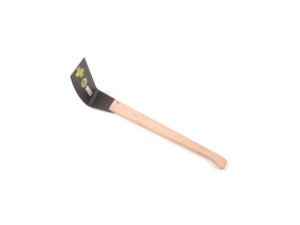
Harvesting sugarcane is hard physical work, made tougher by the heat and long hours in the field. A top-quality cane knife can make all the difference – in speed, comfort, and long-term yields.
A good cane knife needs to be three things: Sharp, Durable, and Well-balanced.
When the blade stays sharper for longer, you waste less time sharpening and spend more time harvesting. A balanced knife with a comfortable grip reduces fatigue and wrist strain. And a tough, weather-resistant design ensures your tool lasts through the entire season.
Efficiency in the field directly affects your daily output. A dull or poorly weighted knife can slow you down significantly, especially when working through dense cane fields. Plus, repeated strain from using an uncomfortable handle or an imbalanced blade can lead to fatigue or even injury.
Choosing the right cane knife: Lasher and Okapi options
Lasher offers one of the widest selections of cane knives in the South African market, with options tailored to a range of cutting styles, conditions, and user preferences. Whether you prefer a traditional feel or a modern grip, we have you covered.
Popular models include:
- 300H Hooked Blade: With its distinctive hook design, this model is ideal for pulling and slicing through thick cane stalks. The hooked shape aids in efficient harvesting, especially in tangled cane fields.
- 303 Short Narrow Blade: Designed for precision, this model is favoured by users who prefer speed and control over large, sweeping motions.
- 3000 Swazi Straight Blade: Great for long, downward cuts with less resistance, this model is known for its cutting power and ergonomic design.
- 3000 Lebombo Curved Blade: With a pronounced curve, this knife enhances cutting leverage – especially useful for thick, mature cane.
Okapi takes a more traditional approach, offering wooden-handled cane knives that are known for their durability and no-nonsense design. These knives are built for heavy-duty use and are trusted by generations of farmers who want a classic, powerful tool with minimal maintenance requirements.
Blade durability: Staying sharper for longer
Blade thickness and steel quality are key factors when choosing a cane knife. Both Lasher and Okapi use high-quality carbon steel for their blades, which is known for holding a sharp edge and withstanding tough agricultural conditions.
Let’s look at how they compare:
- Okapi blades: Typically 2mm thick, they are ideal for heavy-duty applications. The thickness adds weight and cutting power, particularly useful when working with older or denser cane stalks.
- Lasher blades: Range between 1.6mm and 2mm, depending on the model. This gives users more flexibility – choose a lighter blade for speed and less fatigue, or a thicker one for brute strength and longevity.
There are also various blade shapes and lengths designed for different harvesting methods:
- Hooked blades offer an advantage when pulling cane or making curved cuts around tough stalks.
- Straight blades are better suited to precise, slicing motions and are often preferred for cleaner cuts.
- Curved blades add force to your downward swing, making them ideal for leverage-focused cutting.
No matter the style, these blades are built to perform. With regular sharpening and proper care (more on that later), a well-made cane knife can last through multiple harvests.
Handle comfort and grip: Wood vs. poly – which is right for you?
A blade might be sharp, but if the handle is uncomfortable or poorly made, your productivity will take a hit. That’s why handle design matters just as much as blade construction. Lasher and Okapi give farmers the choice between wooden and poly handles, each with their own pros and cons.
Wooden handles
- Provide a natural, tactile grip that feels familiar in the hand
- Absorb less vibration, making long hours in the field more comfortable
- Found on both Lasher and Okapi models (including the Lasher Shaya WH and 3000C, and all Okapi knives)
- Can wear over time if exposed to moisture, so proper storage is key
Polypropylene (poly) handles
- Designed for weather resistance; they don’t swell, split or absorb moisture
- Offer a textured, non-slip grip that works well even in wet or humid conditions
- Easy to clean and maintain
- Available on models like the Lasher 303 PH, 300H PH, and Swazi PH
Some Lasher cane knives also come in left-handed configurations, a helpful option that improves both safety and control for non-right-handed users. This kind of thoughtful design consideration adds value and inclusivity to the Lasher range.
Ultimately, your choice will depend on field conditions and personal preference. For instance, if you’re working in areas with high rainfall or wet mornings, a poly handle might be the safer, more practical option. If you’re after a traditional tool with a proven grip, a wooden handle might suit you better.
Maximising efficiency: Proper cane knife use and maintenance
Even the best knife won’t perform well if it’s poorly maintained. To keep your cane knife in peak condition, it’s essential to establish a basic care and sharpening routine.
Here are some tips to help you get the most from your knife this season:
Sharpen regularly
- Use a hand file or whetstone at a consistent angle
- Don’t wait for the blade to dull entirely – light, frequent sharpening keeps cuts clean and effortless
Clean after each use
- Wipe off plant residue and moisture to avoid rust
- Remove sticky sugar deposits that can reduce blade efficiency
Store correctly
- Keep knives dry and protected from the elements
- Use a sheath or store in a dedicated toolbox
- Apply a thin layer of oil before extended storage to prevent corrosion
Cut efficiently
- Use downward slicing motions, allowing the blade’s design to do the work
- Avoid hacking or forcing the cut – this leads to quicker dulling and increased fatigue
- Use the full blade length in your motion to distribute wear evenly
These small steps can dramatically extend the life of your tool, reduce the risk of injury, and ensure consistent performance during the busiest weeks of harvest.
The right tool for the job: Where to buy Lasher and Okapi cane knives
Lasher and Okapi cane knives are readily available across South Africa. You can find them at most agricultural co-ops, hardware stores, and through specialist suppliers in rural areas. You can also purchase directly from the Lasher Tools website, which provides full product details, specs, and local stockists.
Okapi knives are stocked by selected distributors, many of whom also supply traditional farming tools. Look for options that offer bulk purchasing or seasonal discounts if you’re buying for a large team.
In both cases, investing in a reliable cane knife from these brands means investing in your productivity, your safety, and your peace of mind.