

Summer is here, and with it comes hot weather and rising demand on our already limited water supply.
South African gardeners know that water is one of our most precious resources. Our mean annual precipitation is only about 450 mm per year, compared to the world average of 860 mm. That makes South Africa one of the 30 driest countries in the world. Whether you live in a city with strict restrictions or in a rural area where every drop counts, keeping a garden green and healthy while conserving water can feel like a balancing act. The good news is that with the right tools, techniques, and habits, it’s possible to maintain a thriving outdoor space without wasting water.
Here are some practical strategies for water-wise gardening, along with simple changes you can start making today. From using sustainable tools like sprayers and watering cans to adopting smart habits such as mulching, these solutions will help you grow a beautiful garden while conserving water and protecting the environment.
Why water-wise gardening matters in South Africa
South Africa is a country of extremes. We can go from heavy rains and flooding to long droughts in just a few seasons. Climate change and growing demand for water are putting even more pressure on supply. For home gardeners, this indicates that conventional methods requiring excessive water use are increasingly impractical.
Water-wise gardening is about finding smart ways to reduce water use while still enjoying healthy lawns, flower beds, and vegetable patches. Choosing the right tools and techniques allows you to keep your garden alive and beautiful even under restrictions, and it also helps secure water for future generations.
The challenge of gardening under water restrictions
If you’ve ever had to stick to watering only on certain days or put the hose away altogether, you’ll know how frustrating restrictions can be. Watching lawns turn brown and plants start to droop is hard, especially if gardening is part of your daily life. But these challenges are also a chance to rethink how we approach our gardens. Rather than pouring litres of water onto the soil and hoping for the best, water-wise methods help us be more focused and efficient.
Water-saving tools every gardener needs

Investing in the right tools can make all the difference.
Here are a few essentials:
Sprayers: Precise watering without waste
A pressure sprayer is one of the most effective water-wise tools you can own. Instead of spraying water broadly over your plants, it delivers a fine mist directly to the leaves or soil. This precision reduces runoff and evaporation, ensuring that water goes exactly where it’s needed. Pressure sprayers are also excellent for applying liquid fertilisers or organic pest solutions without overusing resources.
Hose fittings: Smarter connections for efficient flow
If you rely on a hosepipe, investing in quality hose fittings can prevent leaks and wasted water. Durable fittings ensure that every connection is secure, so you’re not losing water to drips or bursts. Using a spray nozzle or trigger attachment also allows you to control flow, switching between light misting and stronger streams as required.
Gardening strategies to conserve water
Tools are only part of the solution. The way you design and maintain your garden plays a big role in how much water you use.
Mulching: Locking in moisture for healthier plants
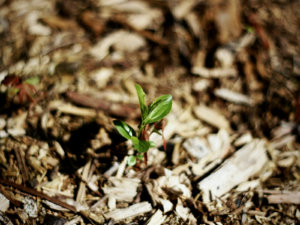
Mulching is one of the easiest and most effective water-wise techniques. By covering soil with organic material like bark chips, straw, or compost, you create a barrier that slows evaporation and keeps roots cool. Mulch also improves soil structure over time, helping it hold water for longer. A thick, even layer of mulch around trees, shrubs, and flower beds can reduce watering needs by up to 70%.
Choosing water-wise plants for South African gardens
Not all plants need the same amount of water. Indigenous species and drought-tolerant varieties are naturally adapted to local conditions, meaning they require less attention and fewer resources. Options like aloes, succulents, lavender, and water-wise grasses are excellent choices.
For trees, species like fever trees and wild olives are both hardy and beautiful. Building your garden around these hardy plants reduces your overall water demand.
Creating a low-maintenance, drought-resistant garden
A water-wise garden doesn’t have to look sparse or plain. By grouping plants with similar water needs together, you can manage irrigation more effectively and avoid overwatering. Groundcovers like gazanias or spekboom help reduce bare soil, limit evaporation, and add a splash of colour.
Raised beds filled with compost improve water retention and reduce runoff, while indigenous shrubs and succulents can thrive with very little extra watering. With a thoughtful design, you’ll not only save water but also enjoy a garden that’s easier to maintain and more resilient throughout the seasons.
Eco-friendly gardening solutions
Water-wise gardening goes hand in hand with eco-friendly practices. These small changes add up to big results.
How to use water wisely without sacrificing beauty
- Water early or late: The best time to water is in the morning or evening, when temperatures are cooler and evaporation is minimal.
- Direct to the roots: Avoid spraying leaves unnecessarily. Direct water to the soil and roots, where plants absorb it best.
- Reuse greywater: Collected water from washing machines or showers (with eco-friendly detergents) can be used safely on lawns and trees.
Small changes, big impact: Everyday water-saving habits
- Fix dripping taps and hose leaks immediately.
- Sweep driveways and paths instead of hosing them down.
- Collect rainwater in tanks or barrels for later use.
Sustainable gardening for a greener future
Eco-friendly gardening isn’t just about saving water; it’s about reducing waste and creating healthier ecosystems. Composting kitchen scraps reduces landfill waste while enriching your soil. Planting trees helps improve air quality, shade your garden, and stabilise the soil. Even small steps, like switching to organic pest control, contribute to a healthier environment.
Growing beautiful gardens while saving every drop
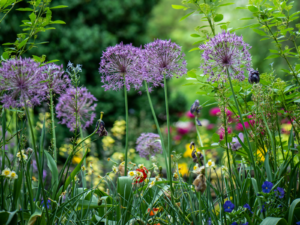 Creating a water-wise garden doesn’t mean giving up on colour, variety, or joy.
It means being smarter with the resources you use and choosing workable solutions wherever possible. And when you adopt water-saving habits, you’re not just helping your own garden, you’re playing a role in conserving one of South Africa’s most valuable resources.
Imagine if every household made these small changes – together, we could transform our communities into greener, more resilient spaces.
Your role in building a sustainable, water-wise South Africa
Conserving water is something we all need to take seriously, and the choices you make in your own garden can set an example for others.
Simple steps – like planting indigenous species, adding mulch to lock in moisture, collecting rainwater in tanks, reusing greywater where it’s safe, or watering early in the morning to reduce evaporation – really do make a difference. Gardening connects us directly with nature, and that’s a privilege. By using that connection wisely, we can create outdoor spaces that are both beautiful and sustainable. Every drop you save today helps secure thriving gardens for generations to come.